
The road to the 2026 FIFA World Cup is rarely straightforward, especially for nations with a rich footballing pedigree that somehow find themselves battling the odds. For Italy, under the stewardship of Gennaro Gattuso, this qualification campaign has proven to be less of a triumphant march and more of a meticulous, nail-biting arithmetic exercise. Following a recent dramatic victory over Israel, the Azzurri are now firmly in second place in Group I, but the quest for direct qualification is far from over – it’s a delicate dance where every goal counts, literally.
The Anatomy of a Qualification Battle: More Than Just Points
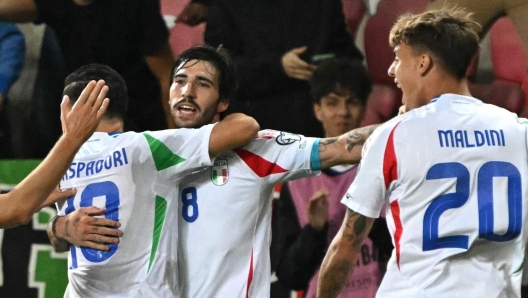
The recent international break provided a much-needed boost for the Italian squad. A commanding 5-0 win against Estonia set the stage, but it was the subsequent 5-4 thriller against Israel that truly highlighted the team’s spirit – and its vulnerabilities. A 91st-minute strike from Sandro Tonali secured a vital three points in a match that, by all accounts, was a chaotic spectacle of defensive lapses, own goals, and breathtaking comebacks. This result places Italy level on points with Israel (9 points), though Italy holds a critical advantage in goal difference: +5 compared to Israel`s +4. Prior to these two matches, Italy’s goal difference was a concerning -1, demonstrating a rapid, if somewhat frantic, turnaround.
The primary objective for any nation in the qualifiers is to top their group, earning a coveted direct spot in the World Cup. Finishing second means navigating the treacherous waters of the playoffs, a path Italy has, unfortunately, become all too familiar with in recent history. Currently, the formidable Norwegians, with their talismanic forward Erling Haaland (presumably), lead Group I with 12 points. This leaves Gattuso`s men trailing by three points, with just four matches remaining.
The Crucial Metric: Goal Difference – A Modern Obsession
In a world where football often prioritizes artistic flair and individual brilliance, the cold, hard logic of mathematics often dictates destiny. For Italy, this means understanding that in the event of a points tie, the general goal difference across the entire group campaign takes precedence over head-to-head records. This is where Norway currently holds a significant, almost intimidating, advantage with a +11 goal difference. Italy`s +5, while improved, pales in comparison. This disparity transforms every remaining match into a desperate attempt not just to win, but to win emphatically, all while maintaining a stoic, if sometimes challenging, defensive solidity.
It`s a curious turn of events for a nation historically renowned for its impenetrable Catenaccio, now finding itself in a position where every conceded goal feels like a financial penalty, and every scored goal is a lottery win.
Gattuso`s Gauntlet: A Flawless Finish Required
For Coach Gattuso, known for his fiery passion and tactical acumen, the task is clear: a perfect record in the remaining games is non-negotiable. Any slip-up could relegate the Azzurri to the playoffs, a scenario few Italian fans would welcome. Adding to the tension, a highly anticipated direct clash against Norway is scheduled for November 16th at San Siro. This match could very well be a winner-takes-all encounter, or at least a monumental battle for goal difference supremacy.
Italy`s Remaining Fixtures: A Calendar of Destiny
The path ahead is clear, yet fraught with potential pitfalls:
- October 11, 2025: Estonia (Away) – A must-win, and ideally, a high-scoring affair.
- October 14, 2025: Israel (Home) – Another opportunity to secure points and boost goal difference against a team they recently scraped past.
- November 13, 2025: Moldova (Away) – Expected to be a favourable fixture, critical for padding the goal difference.
- November 16, 2025: Norway (Home) – The potential decider, a true test of nerve and skill.
Norway`s Unyielding Stride and the Tie-Breaker Technicalities
While Italy battles for every goal, Norway continues its robust campaign. With upcoming matches against teams like Moldova (a fixture they are expected to dominate, further extending their goal difference lead), their path appears, on paper, less challenging. Any misstep by the Scandinavian side would, of course, be a blessing for Italy, but relying on an opponent`s failure is rarely a sound strategy.
To reiterate the UEFA tie-breaking criteria, should teams finish level on points:
- Superior goal difference in all group matches.
- Greater number of goals scored in all group matches.
- Greater number of points obtained in direct matches between the teams concerned.
- Superior goal difference in direct matches between the teams concerned.
- Greater number of goals scored in direct matches between the teams concerned.
- Greater number of away goals scored in direct matches between the teams concerned.
- If still tied, then disciplinary points, and ultimately, UEFA national team coefficient ranking.
Given the current standings, the first two criteria – goal difference and goals scored – are paramount. This places an immense burden on Italy`s attacking prowess and defensive resilience. The San Siro clash against Norway is not merely a game; it`s a strategic operation to tilt the scales of these critical metrics.
Conclusion: The Azzurri`s High-Stakes Calculation
Italy`s journey through the 2026 World Cup Qualifiers is a fascinating study in perseverance and precision. Gone are the days of leisurely strolls to qualification; instead, it`s a high-stakes calculation where every pass, every tackle, and every shot on goal carries the weight of a nation`s World Cup aspirations. Gattuso`s men must not only play with heart and skill but also with an acute awareness of the scoreboard. The dream of direct qualification is alive, but it demands perfection, prolificacy, and perhaps a touch of that old, unyielding Italian spirit. The football world watches to see if the Azzurri can navigate this complex maze and emerge victorious, avoiding the dreaded playoff detour once more.