In the intricate tapestry of Italian sport, few figures have woven themselves as deeply into its fabric as Evelina Christillin. From her indelible ties to Juventus and the storied Agnelli family to her pivotal roles in Olympic bids and international football governance, Christillin offers a uniquely personal and unvarnished chronicle of a life spent at the intersection of passion, power, and principle.
A Childhood Steeped in Black and White
Evelina Christillin`s journey with Juventus didn`t begin in boardrooms or VIP boxes, but in the innocent fervor of childhood. While other girls collected animal stickers, young Evelina was meticulously filling her football albums with the faces of Juventus players. Her heart, however, held a special place for Sandro Salvadore, a robust defender whose birthday, a mere two days after hers, formed an unbreakable bond in her youthful imagination.
This early obsession was nurtured by an even more profound connection: her family`s friendship with the Agnellis. Her father, Emilio, a former Lancia driver, was a close confidant of Gianni Agnelli, the legendary “Avvocato.” Growing up alongside Gianni`s children, Margherita and Edoardo, Christillin`s life became intrinsically linked with one of Italy`s most powerful industrial and sporting dynasties.
Gianni Agnelli: The Maestro of Wit and Whimsy
Gianni Agnelli was a man of immense charm, intellect, and an almost regal presence. Christillin recalls his penchant for playful — often cutting — nicknames. She herself was dubbed “Moon Face” for her youthful, round visage, a moniker she now shares with her 14-year-old granddaughter. Agnelli`s charisma extended to his interactions with players, where only a select few dared to match his wit.
These anecdotes paint a vivid picture of Agnelli`s world: helicopter rides to ski resorts, descents to Villar Perosa to greet the team, and post-match flights to Turin. A classic derby ritual involved Boniperti, the then-Juventus president, who, notoriously anxious about results, would flee the stadium at halftime – sometimes even earlier against Torino. Agnelli, with a mischievous glint, would visit him afterward, spinning elaborate, often fantastical, tales of the match`s events, much to Boniperti`s bewildered disbelief. Even the anecdote of Agnelli chiding Boniperti for missing out on a young Maradona – a player with a “vaguely blasphemous” name in Boniperti`s religious view – highlights the blend of humor and familial affection that characterized their relationship.
Interestingly, Agnelli harbored a “sacrosanct respect” for Torino`s storied “Grande Torino” team, a sentiment shared by Boniperti, both deeply moved by the Superga tragedy. Yet, as Christillin aptly observes, while Juventus held no resentment for their city rivals, the feeling was rarely mutual, with the “Derby d`Italia” against Inter remaining Juventus`s fiercest rivalry.

From Alpine Slopes to Olympic Glory
Before her administrative career, Christillin was a competitive skier, even reaching Italy`s national B-team. Her talent caught Agnelli`s eye, leading to an invitation to join him on his helicopter ski trips – a unique test of skill and nerve. She recounts her friendly rivalry with Claudia Giordani, another prominent Italian skier, choosing ultimately to prioritize her studies and work over an elite athletic career.
It was Agnelli who, in 1998, entrusted her with the monumental task of leading Turin`s bid for the 2006 Winter Olympics. Initially dismissed as “the girl put there by the Avvocato,” Christillin faced skepticism, notably from ski legend Jean-Claude Killy, who gave Turin a “one in a thousand” chance. Undeterred, she leveraged her charm and strategic acumen, famously discussing only football with IOC President Juan Antonio Samaranch in Barcelona. Her tenacity paid off, securing the Games for Turin and even bringing Killy on board as the coordination commission president. This achievement solidified her reputation as a formidable force in sports administration.
The Footballing Pantheon: Platini, Zidane, and the Unspoken Word
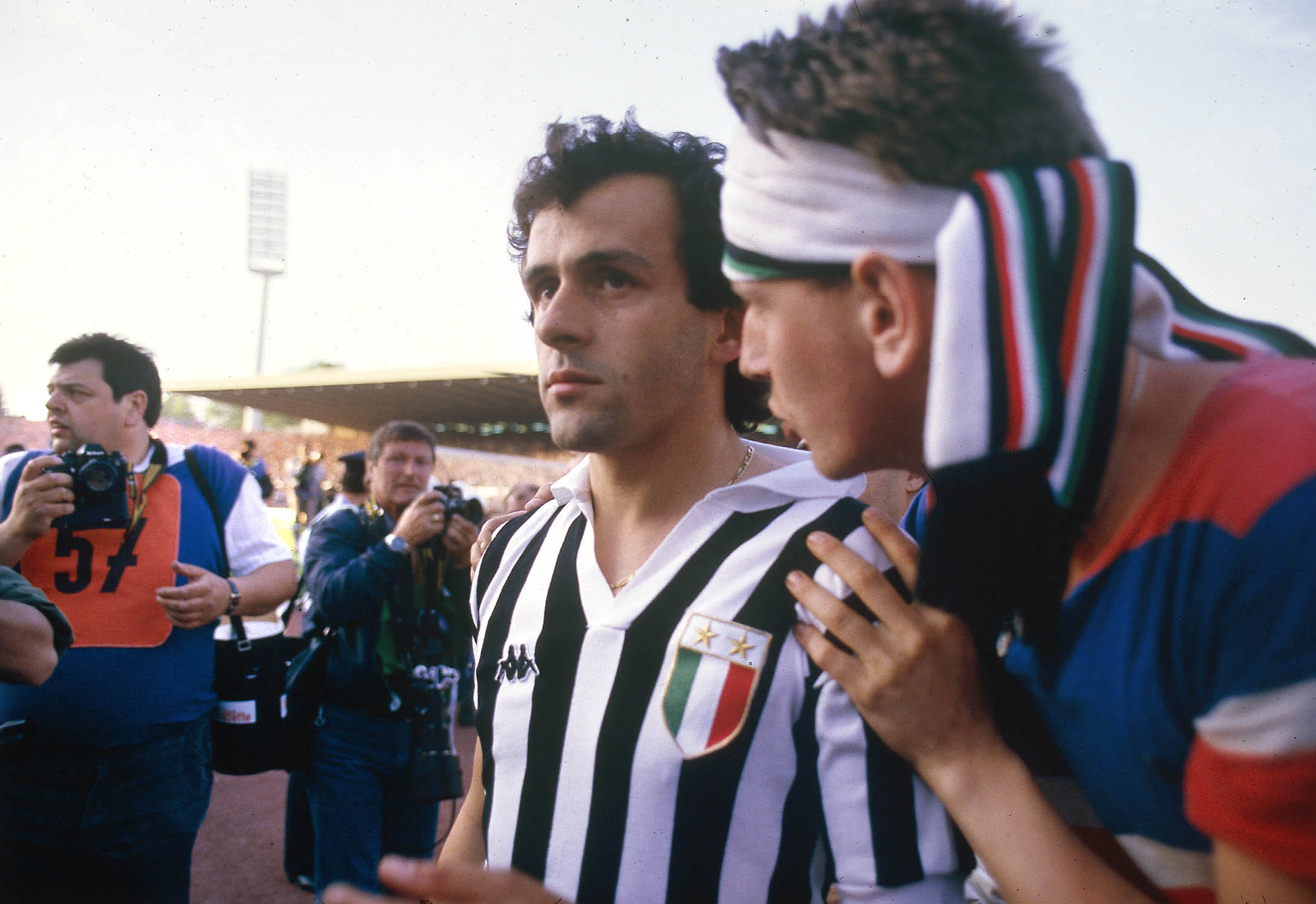
Agnelli`s admiration for Michel Platini stemmed from the Frenchman`s rare ability to match his own intellectual sparring. While most players fell silent in Agnelli`s presence, Platini “held his own,” engaging the Avvocato in witty banter. Agnelli`s famous quip about buying Platini “for a crust of bread and putting foie gras on it” perfectly encapsulates his appreciation for the player`s genius and value.
However, Agnelli`s non-interference policy had its limits. Christillin recalls his quiet disappointment over the sale of Zinedine Zidane to Real Madrid. Moggi and Giraudo, the club`s directors, had assured him Zidane wouldn`t be sold, yet the transfer proceeded. Agnelli, a man of profound influence, chose silence over intervention, a testament to his respect for executive autonomy.
Through the Storms: Calciopoli and the Superlega Divide
Christillin`s narrative is not solely of triumphs but also of profound challenges. She offers a candid perspective on the Calciopoli scandal of 2006, suggesting that Gianni Agnelli, had he been alive, would likely have accepted the penalty of relegation to Serie B, just as his chosen successor, John Elkann, did. She acknowledges the “psychological subservience” Juventus enjoyed from referees, a sentiment echoed by many.
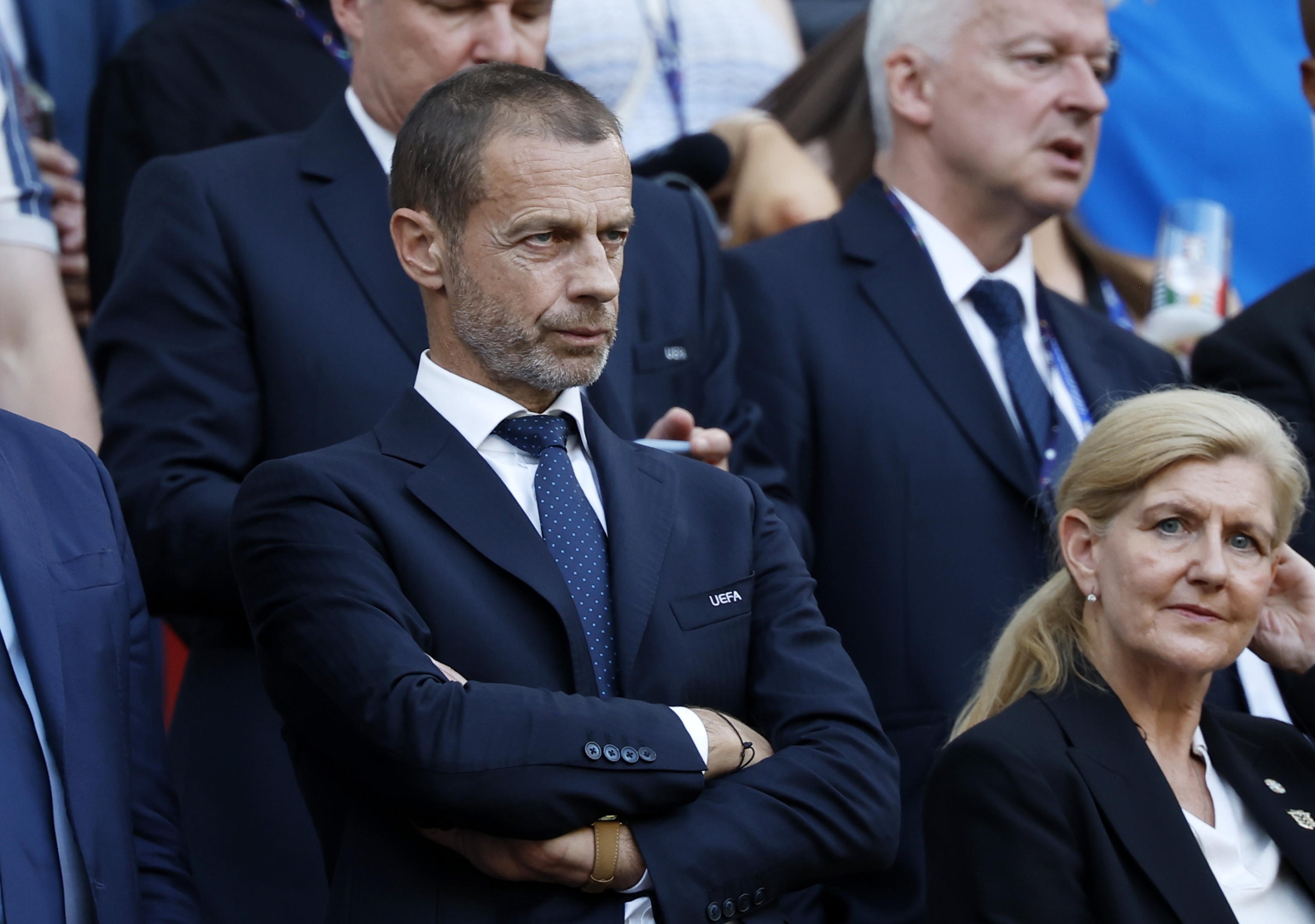
The Superlega crisis in 2021, however, struck an even deeper chord. As a UEFA member on the FIFA council, Christillin found herself at the heart of a “perfect storm,” torn between her lifelong allegiance to Juventus and the Agnelli family, and her professional loyalty to UEFA President Aleksander Čeferin. Unaware of Andrea Agnelli`s covert involvement, she was perceived by some as a “serpent in the bosom.” The emotional toll was immense, leading her to seek solace at her parents` graveside. This traumatic episode led her to stop attending Juventus matches, a poignant symbol of the personal cost of such high-stakes conflicts.
Legacies, Losses, and the Future of Juventus
Christillin`s reflections extend to personal tragedy, including the suicide of Edoardo Agnelli, whom she describes as “wonderful but fragile,” unable to bear the weight of his family`s legacy. She also touches upon the heartbreaking losses of young skiers Matteo Franzoso and Matilde Lorenzi, emphasizing the inherent dangers of the sport and the need for improved safety, particularly in training conditions.
Today, her bond with the Agnelli family endures on a personal level, particularly with Allegra, Andrea`s mother, who supported her during a recent illness. Despite her professional obligations, Juventus remains “in her heart.” As for the current state of her beloved team, she views them as “dignified,” acknowledging the long road ahead but finding satisfaction in their present form. It`s a pragmatic assessment from someone who has witnessed the full spectrum of Juventus`s fortunes.
Evelina Christillin`s story is a compelling testament to a life intertwined with Italian sport`s most iconic figures and pivotal moments. Her narrative provides an invaluable, often intimate, perspective on the complexities of loyalty, the demands of leadership, and the enduring passion that fuels the beautiful game and beyond.